
Living Labs
Nanorobots Lab
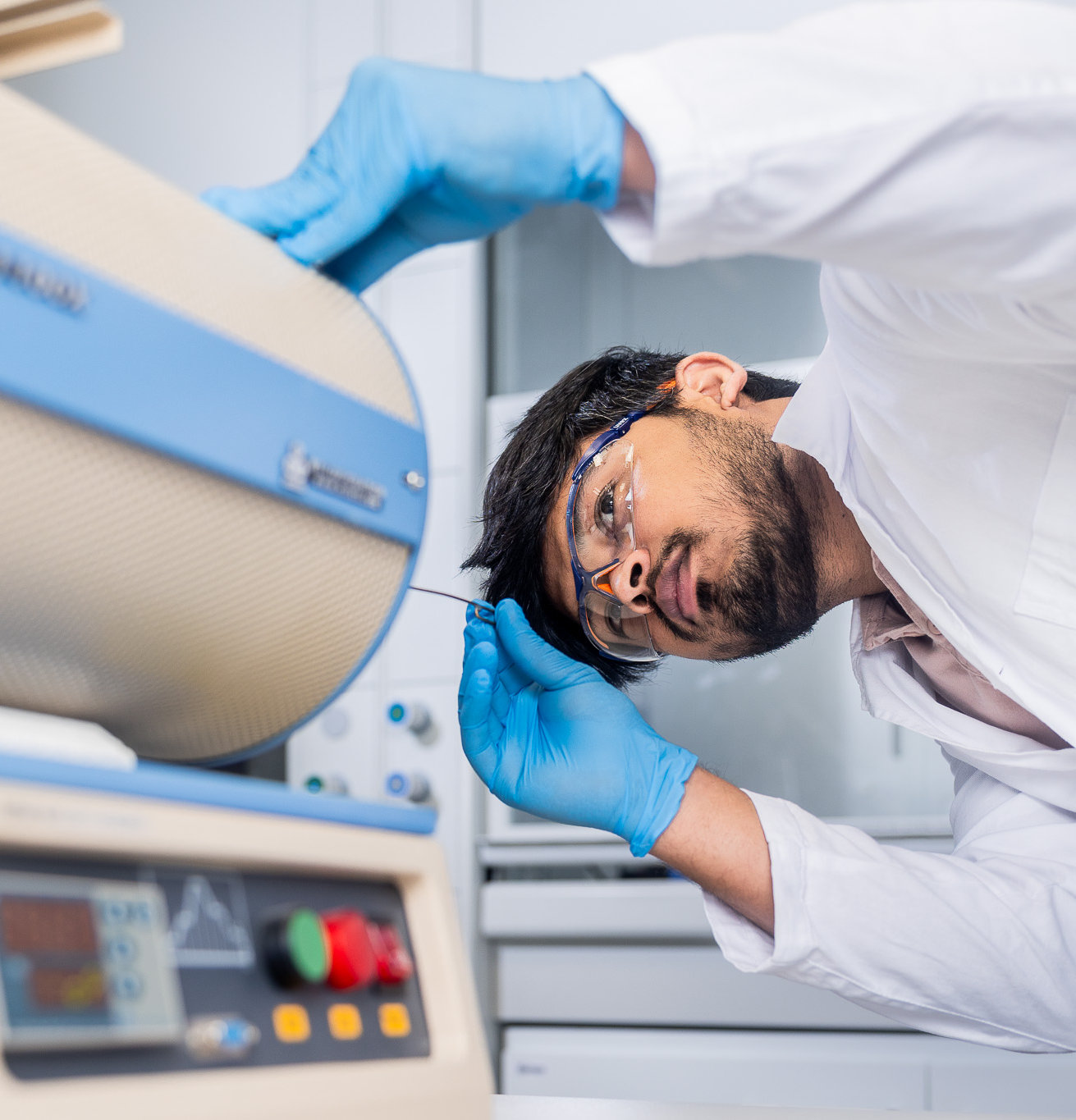
Nanorobots Lab (Advanced Nanorobots and Multiscale Robotics Lab) is an international research laboratory at the Faculty of Electrical Engineering and Computer Science, VSB – Technical University of Ostrava, led by Prof. Martin Pumera.
The laboratory focuses on cutting-edge research at the intersection of nanotechnology, robotics, materials science, electrochemistry and biomedical engineering. Its research explores how micro- and nanoscale robotic systems, advanced functional materials and electrochemical technologies can address challenges in healthcare, environmental protection, energy storage and conversion, wearable electronics and advanced manufacturing.
The laboratory combines fundamental research with the development of new materials, micro- and nanorobotic systems, sensing technologies and functional devices. Particular emphasis is placed on interdisciplinary research with potential applications in precision medicine, environmental remediation, smart mobility, energy technologies and next-generation electronics.
Mission and Strategic Focus
- Development of micro- and nanorobots for biomedical applications and precision medicine.
- Design of autonomous and externally controlled micro/nanoscale machines.
- Development of nanorobotic systems for environmental monitoring and removal of pollutants, microplastics and nanoplastics.
- Research into advanced materials for electrochemical energy storage and conversion.
- Development of flexible and wearable electronic devices and sensors.
- Development of innovative sensor technologies for health, environmental and performance monitoring.
- Application of additive manufacturing and 3D printing to electrochemical devices, batteries, supercapacitors and related technologies.
- Research into advanced functional and low-dimensional materials.
- Investigation of human–nanorobot interaction, control mechanisms and responsible deployment of nanorobotic technologies.
- Interdisciplinary research connecting nanotechnology, chemistry, materials science, robotics, electronics and biomedical applications.
Industry
Services & Equipment
Nanorobots Lab provides an advanced experimental environment for interdisciplinary research in nanorobotics, nanomaterials, electrochemistry, flexible electronics and additive manufacturing.
Our cooperation includes:
Additive manufacturing of electrochemical devices
Additive manufacturing is used to design complex geometries and customised structures for electrochemical devices that would be difficult to fabricate by conventional methods.
Electrochemical characterisation and testing
Supports development of electrodes, sensors and conversion systems with laboratory-grade electrochemical workstations and complementary analytical methods.
Electrochemical energy storage and conversion
Research supports smart-mobility and energy-technology applications, from material design through electrochemical characterisation of storage and conversion devices.
Experimental research with biological cultures
Used alongside nanorobotic and sensing experiments in areas such as precision medicine, targeted therapy and interaction of micro/nanoscale systems with biological environments.
Flexible wearable electronics and sensors
Covers smart materials, energy harvesting and technologies for personalised health and performance monitoring, including development and testing of electrochemical sensors.
Functional nanomaterials synthesis and characterisation
Includes microwave-assisted chemical synthesis, surface modification and access to advanced materials characterisation via shared university infrastructure.
Magnetic manipulation and control of microrobots
The lab investigates control mechanisms, human–nanorobot interaction and responsible deployment of magnetically actuated microrobots in experimental settings.
Micro- and nanorobotic systems for biomedicine and environmental remediation
Biomedical applications include targeted drug delivery, treatment of biological structures and minimally invasive approaches. Environmental applications focus on detecting, capturing and degrading pollutants, including micro- and nanoplastics.
Equipment & facilities
Annealing furnace, GSL-1100X
Supports synthesis and processing of functional materials used in electrochemical and nanorobotic devices.
Bio culture incubator, Labnet International
Supports biomedical nanorobotics experiments, including work related to precision medicine and biological environments.
Drying oven
Used in synthesis, processing and characterisation workflows. Manufacturer and detailed parameters are not specified in the source.
Electrochemical workstation, Biologic
Used for batteries, supercapacitors, sensors and other electrochemical energy-storage and conversion systems.
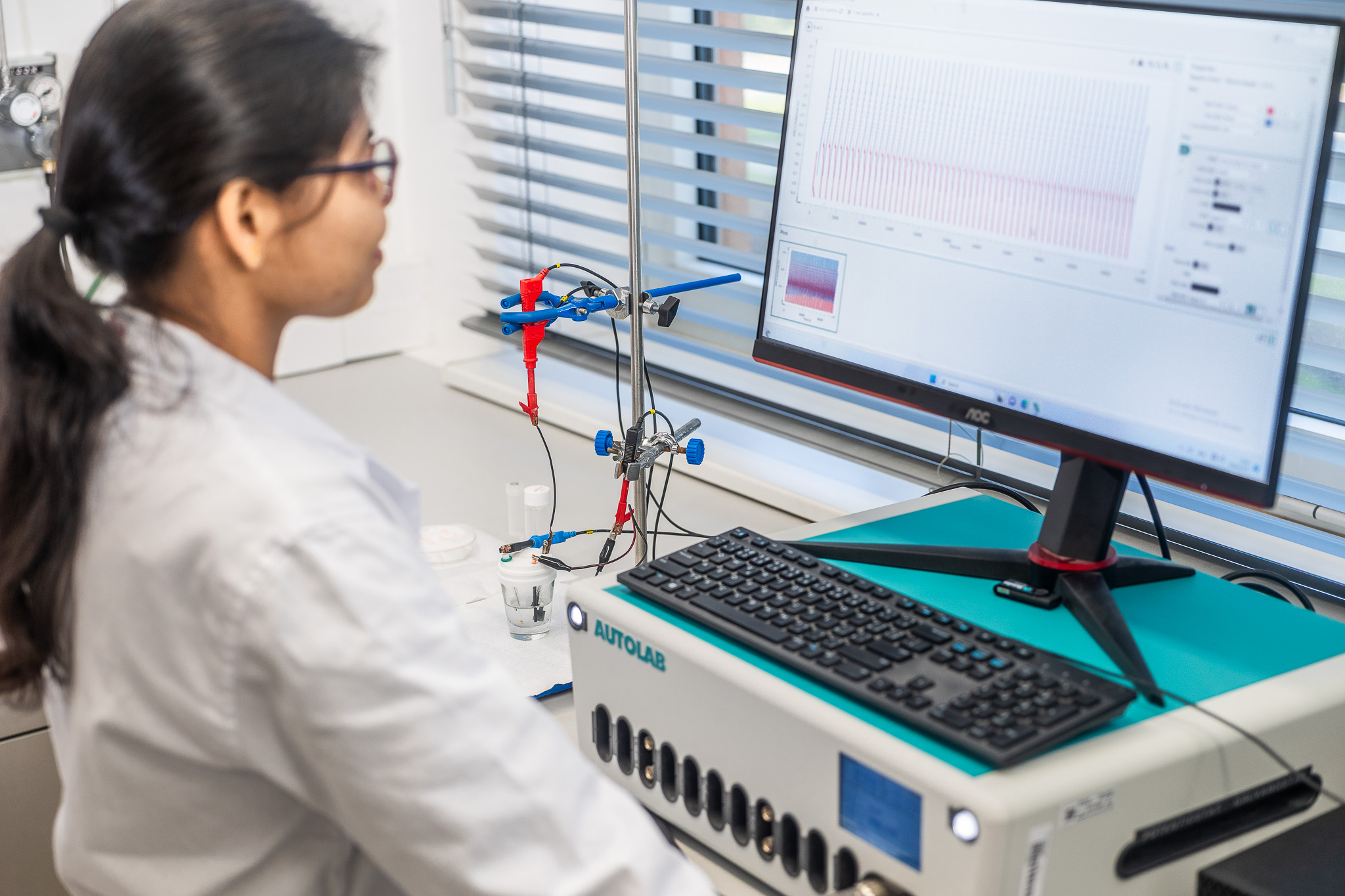
Electrochemical workstation, Metrohm Autolab
Used for batteries, supercapacitors, sensors and other electrochemical energy-storage and conversion systems.
Evolved gas measurement setup
Supports characterisation of electrochemical energy systems and related materials processes. Detailed instrument parameters are not specified in the source.
FDM 3D printer, Prusa i3
Used to fabricate custom geometries for batteries, supercapacitors, electrodes and related electrochemical systems.
Fluorescence spectrophotometer, Jasco FP-8850
Supports observation and characterisation of functional materials and micro/nanoscale systems.
Glovebox, Jacomex
Used for fabrication of moisture- and oxygen-sensitive devices, such as alkali-metal batteries.
Inverted Optical Microscopes (Nikon and Olympus)
Enables experimental investigation of microrobots, materials and biological cultures under laboratory conditions.
Laminar Flow Box (DASIT)
Designed for sterile handling of non-hazardous biological nanorobot experiments.
Magnetic manipulation system, MagnebotiX MFG-100i
Dedicated platform for external magnetic actuation of micro- and nanoscale robotic systems.
Microwave synthesis reactor, Anton Paar Monowave 400
Used to synthesise functional and nanostructured materials for nanorobotics, sensing and energy applications.
NMR spectrometer, Spinsolve 90
Used alongside other analytical methods to characterise synthesised materials and reaction products.
Plasma surface treatment, Diener Zepto
Prepares and modifies surfaces of materials and devices used in nanorobotics, sensing and electrochemical applications.
Refrigerated ultracentrifuge, DLAB
Used in materials and biological sample preparation for nanorobotics and characterisation experiments.
Rotary evaporator, IKA
Part of the laboratory synthesis workflow for functional and nanostructured materials.
UV–Vis spectrophotometer, Jasco V-730
Used in synthesis, nanomaterials characterisation and experimental investigation of micro- and nanorobotic systems.
Projects

Advanced Functional Nanorobots for Precise Immune Cell Gene Engineering
Advanced Nanorobotics for Biofilm Destruction on Plastic and Metallic Dental Materials
CONREX – Czech Orbital NanoRobots Experiment
Development of Chemotaxis-Guided Micro/Nanorobots for Endotoxin and Danger-Associated Molecules Elimination for Targeted Therapy of Inflammatory Diseases
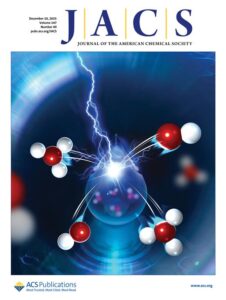
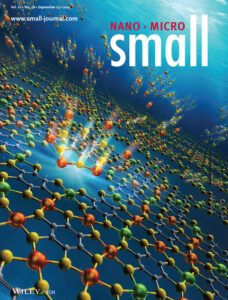
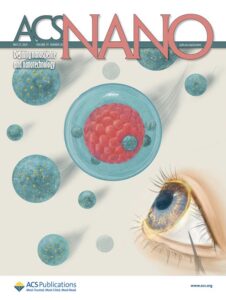
TOP Publications